Supporting Women’s Health in Jersey Through Nutrition
Hormone balance, gut health, energy, mood, and bone strength — what to eat (and why) from Viva's kitchen team and Jersey's nutritionists.
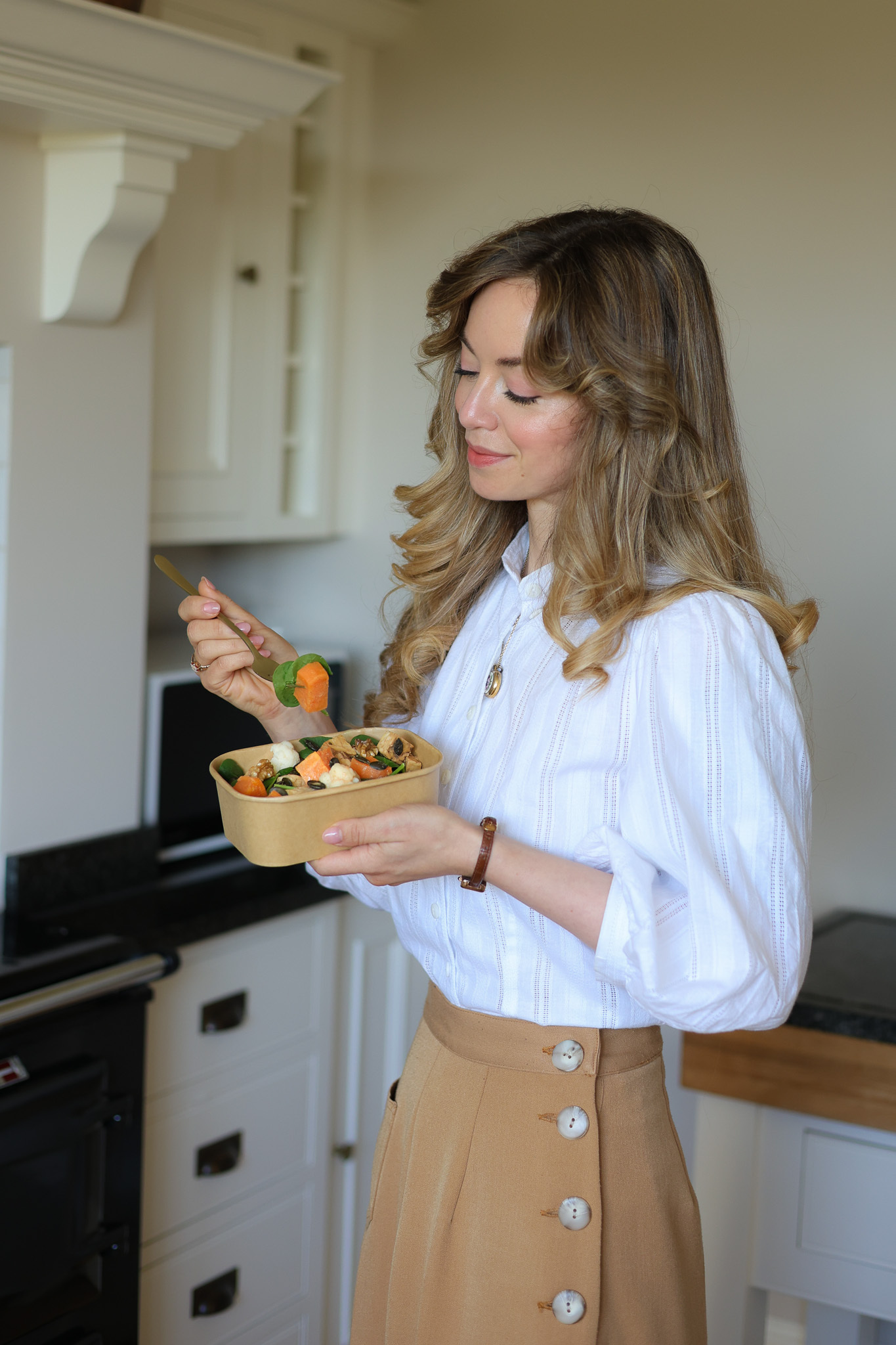
This Women’s Health Week, we want to shine a light on the important role that nutrition plays in women’s health across Jersey. Whether you’re navigating hormonal changes, low energy, digestive issues, or simply want to feel your best, what you eat every day is one of the most powerful tools you have.
At Viva, we believe women deserve access to food and education that are genuinely nourishing. Women’s health has long been under-researched, under-discussed, and under-supported, and we want to change that, starting with what’s on your plate.
What is the Link Between Nutrition and Women’s Health?
Iron Deficiency in Women: The Most Common Nutritional Gap
Iron deficiency is the most common nutritional deficiency in women worldwide, yet it remains widely overlooked. Fatigue, brain fog, difficulty concentrating, and low mood are often the earliest signs, symptoms that are easily dismissed as stress or a busy lifestyle.
Women of menstruating age, pregnant women, and those who follow plant-based diets are at particular risk. Prioritising iron-rich foods such as lentils, leafy greens, tofu, red meat, and fortified cereals alongside vitamin C to aid absorption can make a significant difference to daily energy and cognitive function.
Key nutrients:
Iron, Vitamin C
Gut Health and Hormone Balance: What Women Need to Know
A diverse, plant-rich diet is one of the most evidence-backed ways to support both gut health and hormonal balance in women. The gut microbiome plays a direct role in how your body produces and regulates hormones, particularly oestrogen. An imbalanced gut can contribute to hormonal disruption, PMS, irregular cycles, and symptoms of perimenopause.
Eating 30+ different plant foods per week, including vegetables, fruits, legumes, wholegrains, nuts, and seeds is one of the most effective ways to diversify your gut bacteria and support natural hormone regulation.
Key nutrients:
Fibre, polyphenols, prebiotics, probiotics
Protein Intake for Women: Why Most Women Don’t Eat Enough
Protein is essential for muscle maintenance, hormonal function, immune health, and sustained energy, yet research shows that women often fall short of their daily requirements. This becomes increasingly important with age, as muscle mass naturally declines from your mid-thirties.
High-protein meals help stabilise blood sugar, reduce cravings, support a healthy metabolism, and maintain lean muscle, benefits that are relevant for women at every life stage, from early adulthood through to menopause.
Key nutrients:
Protein (aim for 1.2–1.6g per kg of body weight daily), leucine, essential amino acids
The Gut-Brain Connection: How Food Affects Women’s Mental Health
The relationship between the gut and the brain, known as the gut-brain axis is one of the most exciting areas of nutritional science. The gut produces approximately 90–95% of the body’s serotonin, the neurotransmitter closely linked to mood regulation, anxiety, and emotional resilience.
For women, who are statistically more likely to experience anxiety and depression, nourishing the gut microbiome through a varied, whole-food diet is an increasingly recognised way to support mental health naturally.
Key nutrients:
Omega-3 fatty acids, magnesium, B vitamins, fermented foods
Bone Health for Women: Building Strength at Every Age
Women are significantly more at risk of osteoporosis and bone loss than men, particularly following menopause when declining oestrogen accelerates bone density loss. In fact, women can lose up to 20% of their bone density in the five to seven years after menopause.
The good news is that nutrition plays a central role in protecting bone health throughout life. Calcium, vitamin D, protein, and magnesium are all essential for maintaining strong, healthy bones.
Key nutrients:
Calcium, Vitamin D, Magnesium, Protein, Vitamin K2
Healthy Ready-Made Meals Designed for Women’s Nutritional Needs
At Viva, every fresh healthy meal is built around the specific nutritional needs of women. High in protein, packed with 5+ plant varieties per meal, gluten-free, and free from preservatives.
We don’t believe in shortcuts when it comes to women’s health. Every ingredient is chosen with purpose, every recipe designed to genuinely nourish your body from the inside out
Find our fresh healthy meals, delivered across Jersey, at viva.je.
References:
1. Iron Deficiency
- World Health Organization (WHO), Iron Deficiency Anaemia: Assessment, Prevention and Control
- National Institutes of Health (NIH) Office of Dietary Supplements, Iron Fact Sheet for Health Professionals – ods.od.nih.gov/factsheets/Iron-HealthProfessional
2. Gut Health and Hormone Balance
- Sonnenburg & Gardener (2022), High-fibre diets and gut microbiome diversity
- Baker et al. (2017), Estrogen-gut microbiome axis — published in Maturitas, outlining how the gut microbiome regulates oestrogen metabolism via the estrobolome. pubmed.ncbi.nlm.nih.gov
3. Protein Intake for Women
- Morton et al. (2018) — A systematic review, meta-analysis and meta-regression of the effect of protein supplementation on resistance training-induced gains in muscle mass and strength — published in British Journal of Sports Medicine. bjsm.bmj.com
- Stokes et al. (2018) — Dietary protein recommendations and the prevention of sarcopenia — published in Current Opinion in Clinical Nutrition & Metabolic Care.
- Lonnie et al. (2018) — Protein for Life: Review of Optimal Protein Intake, Sustainable Dietary Sources and the Effect on Appetite in Ageing Adults, Nutrients (MDPI). mdpi.com/nutrients
4. Gut-Brain Connection
- Yano et al. (2015) — Indigenous bacteria from the gut microbiota regulate host serotonin biosynthesis.
- Cryan et al. (2019), The Microbiota-Gut-Brain Axis. journals.physiology.org
- Jacka et al. (2017), A randomised controlled trial of dietary improvement for adults with major depression (the ‘SMILES’ trial), BMC Medicine, bmcmedicine.biomedcentral.com
5. Bone Health and Osteoporosis in Women
- National Osteoporosis Foundation (now Bone Health & Osteoporosis Foundation), bonehealthandosteoporosis.org
- NIH Osteoporosis and Related Bone Diseases National Resource Center — Bone Health for Life niams.nih.gov
- Eastell et al. (1998) — Bone remodelling in patients with osteoporosis
- NIH Office of Dietary Supplements, Calcium, Vitamin D, and Magnesium, ods.od.nih.gov
General / Supporting Sources
- British Nutrition Foundation — Nutrition for Women, nutrition.org.uk
- NHS — Vitamins and minerals for women, Iron, Calcium, nhs.uk
- BDA
End note
Healthy ready-made meals, designed for women’s nutritional needs
At Viva, every fresh healthy meal is built around the specific nutritional needs of women — high in protein, 5+ plant varieties per meal, gluten-free, and free from refined sugars. Every ingredient chosen with purpose. Every recipe designed to genuinely nourish.