Pregnancy & Postpartum Nutrition Made Easy for Jersey Mums
Evidence-based pregnancy nutrition advice for Jersey mums. Plus healthy meal delivery. Nutritional support for Jersey mums at every stage. Gift vouchers are now available, the perfect gift for new and expecting mums.
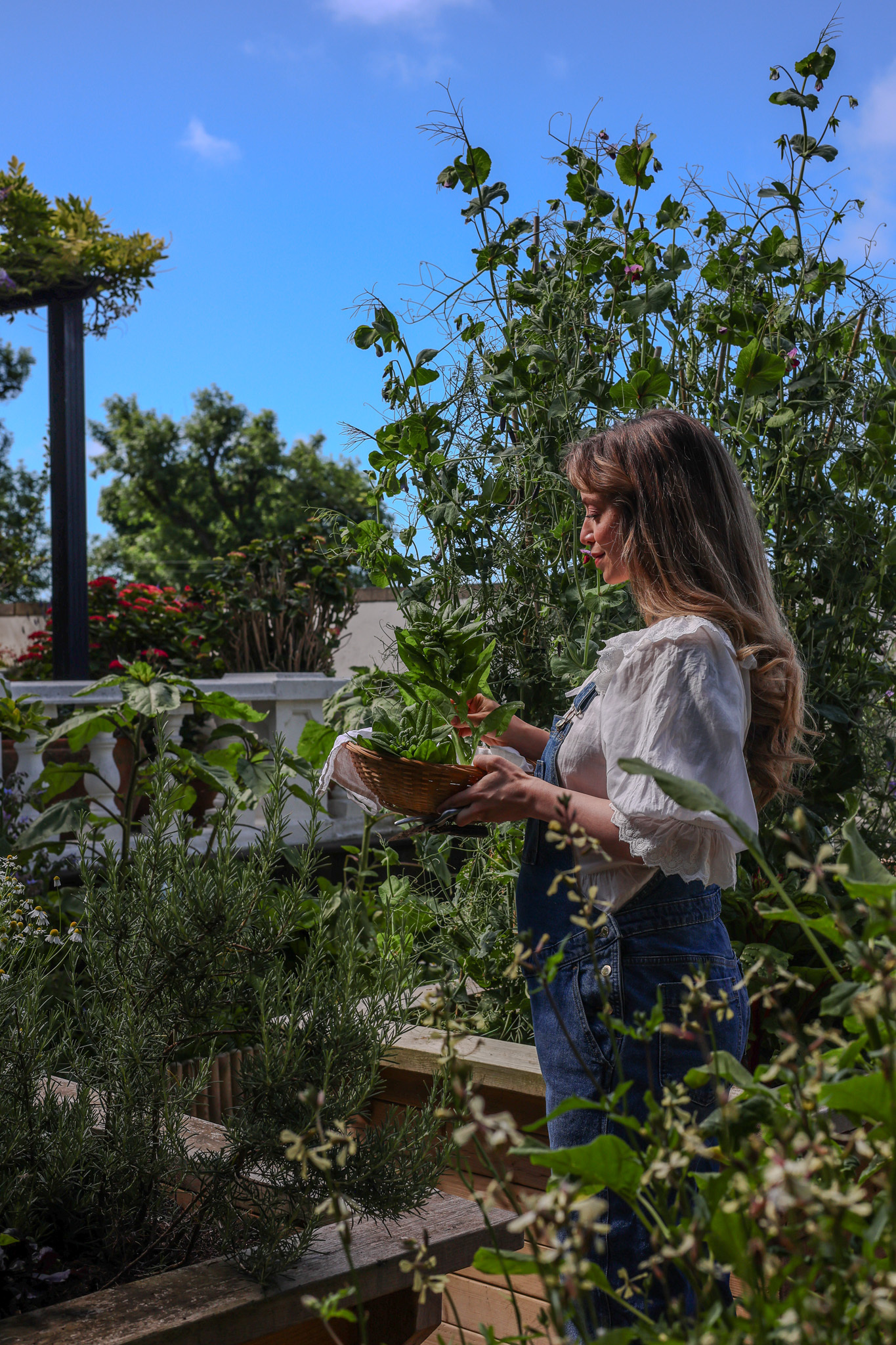
Evidence-based pregnancy nutrition guidance for Jersey mums at every stage, from the first trimester through to breastfeeding. Viva has always got you covered.
Pregnancy and the postpartum period are two of the most nutritionally demanding chapters of a woman’s life. But the guidance that surrounds you can be overwhelming and contradictory. At Viva we focus on current nutritional science, we’ll walk you through what your body needs at each stage and how to make it all work in real life, without perfection and without pressure.
Gift vouchers for our nutritious meal delivery service in Jersey are now available – the perfect gift for new and expecting mums.
Nutrition During Pregnancy
Pregnancy is a time of significant physiological change. Your body is growing entirely new tissue, increasing its blood volume, and preparing for lactation. All of this comes with real nutritional costs but this doesn’t mean eating twice as much.
The “eating for two” myth is one of the most common and potentially harmful misconceptions in prenatal nutrition. The energy cost of pregnancy can mostly be offset by your bodies natural adaptations alone. Additional calorie needs become most important in the second and third trimesters, and even then they’re modest.
The British Dietetic Association (BDA) recommends that during most of your pregnancy there is little need to increase your calories unless you were underweight at the start of pregnancy or if you lose weight. If you are not overweight, a slight increase of about 200 kcal is suggested in the third trimester (that’s the same as 2 slices of wholemeal toast and margarine!). This can vary from person to person depending on your BMI range which should be discussed with your doctor or midwife. You can review the general recommendations on weight gain during pregnancy on the BDA Breastfeeding and diet: Food fact sheet.
Struggling to eat well during pregnancy? Viva delivers balanced, nutritious meals to your door across Jersey designed with real nutritional needs in mind. Our meal gift vouchers also make a brilliant gift for a new or expecting mum.
Key Nutrients in Pregnancy
While your overall calorie increase is small, your micronutrient requirements can increase significantly. Here are the nutrients that matter most and what to do about each one.
Folate / Folic Acid
Critical for neural tube development. Needed pre-conceptually and through the first 12 weeks at minimum. Diet alone is rarely enough.
NHS recommends 400µg supplement daily from before you’re pregnant until you’re 12 weeks pregnant.
Vitamin D
Deficiency is widespread, up to 57% of mothers and 73% of newborns in European studies are deficient. Follow UK adult guidelines on supplementation.
10µg supplement daily
Omega-3
Supports brain and eye development, particularly in the second and third trimesters. May reduce risk of preterm birth and support maternal mental health.
Oily fish, walnuts, flax, chia or supplement if required
Iron
Blood volume nearly doubles in pregnancy. Around 23% of UK pregnant women are anaemic. Natural absorption increases, but stores may still fall short.
Red meat, lentils, beans, leafy greens + vitamin C to aid absorption
Calcium
No formal increment is set during pregnancy as absorption increases significantly, but it plays a key role in preventing pre-eclampsia and supporting blood pressure.
Dairy and fortified plant milks
Iodine
Essential for baby’s thyroid function and brain development. Iodine status before pregnancy matters as much as during it. Not all prenatal supplements contain iodine so make sure to check the label.
Dairy, eggs, white fish
Choline
Choline is involved in neural tube formation, brain development, and preventing complications such as gestational diabetes and fatty liver disease.
450mg recommended daily during pregnancy, rich in foods like eggs, meat, and mushrooms
What About Protein?
Protein needs increase progressively throughout pregnancy, rising to around 6g extra per day in the final trimester. The recommended total for adult pregnant women is around 51g per day. Most women can meet this through usual diet with modest attention to protein-rich foods: eggs, dairy, meat, fish, legumes and pulses.
At-Risk Groups
Adolescents, those following vegan or vegetarian diets, women who are above or below a healthy weight, and those with food aversions or restricted diets may need tailored supplementation or dietary support.
- 23% of pregnant women in the UK are anaemic (NICE, 2021)
- 57% of pregnant women in European studies are vitamin D deficient
Nutrition Postpartum
Your body just did something extraordinary. Now it needs the right support to recover, heal, and if you’re breastfeeding, produce milk. There is no need to follow a specific diet, but aiming for a healthy balanced diet and eating regularly can help support your energy levels, as well as taking recommended vitamins
What Actually Changes
It’s important to remember that whether you chose to breastfeed or not, your body has just been through a lot of changes and will therefore have increased nutrient demands for recovery, wound healing and replenishment of lost stores.
Producing breastmilk can often be more nutritionally demanding than pregnancy as this requires significant energy and protein, and draws heavily on maternal stores of calcium, iodine, omega-3 fats, and other key nutrients.
The composition of breast milk is however remarkably stable. Baby largely gets what they need regardless of mum’s diet. Whilst reassuring for baby, this usually means that if your dietary intake falls short, you are the one who is affected. Any shortfall comes from mum’s stores, not from the milk itself. Your body will always prioritise your baby.
- On average, women need 2000 kcal/day, and exclusively breastfeeding may increase this by 300-500kcal daily more than in late pregnancy
- If you are mixed feeding or formula feeding, you could need an extra 150-200 calories a day.
- You’ll need more fluids so try and drink regularly to stay hydrated
- Protein requirements are higher post birth than at any point in pregnancy
- Calcium needs increase as bone is actively mobilised to provide calcium to breastmilk
Key Nutrients to Focus on After Birth
Iron
Blood loss at delivery heavily depletes iron stores. Many women enter the postpartum period already deficient. Low iron can cause exhaustion, brain fog and low mood.
Omega-3
Omega-3 fats are transferred to breast milk at around 70-80mg per day, depleting maternal stores. Low omega-3 is increasingly linked to postnatal depression.
Calcium
Breastfeeding draws heavily from bone. Requirements are higher during lactation than pregnancy
Dairy, fortified plant milks, and tinned fish with bones are your best sources.
B Vitamins & B12
Essential for energy, nerve function and mood are all significantly depleted during pregnancy and birth. Especially important for vegans and vegetarians.
Eggs, meat, dairy, nutritional yeast
Vitamin D
Continue supplementing throughout the postpartum period. Vitamin D deficiency is strongly associated with low mood and postnatal depression, and is common year-round in the UK and Jersey.
10µg daily supplement continue after birth
Iodine
Passes directly into breast milk and remains critical for baby’s brain development after birth.
The UK recommends 140µg/day, but WHO recommends 250-290µg/day during lactation.
Choline
Mothers need an adequate intake of choline to provide choline rich breastmilk to their babies. This is really important for supporting babies brain health, growth and neurological development. Choline is important during pregnancy and postpartum but requirements are much greater while breastfeeding
The BDA recommends you need 550mg of choline a day when breastfeeding (1 egg contains about 147mg)
Key Takeaways:
- Take folic acid & vitamin D supplements as recommended and focus on a diet rich in a variety of whole foods.
- Postpartum recovery deserves as much attention as pregnancy, if you are breastfeeding, eat more! and lots of fluid.
- The stable composition of breast milk means baby largely gets what they need regardless of mum’s diet, any shortfall in dietary intake comes your own stores, its important to prioritise this through a balanced diet or supplement if required.
- If you have any doubts or concerns, talk to your midwife, GP or healthcare professional.
Realistic Eating with a Newborn: Let Viva Take Care of the Cooking
At Viva we want to take care of the shopping, cooking and planning for you. We know that eating well when you’re pregnant, recovering, or breastfeeding is easier said than done, especially in those early newborn weeks. Our meals are balanced with high protein, a variety of fruit, veg and fibre to make reaching your nutrition needs as a new and expecting mum that little bit easier. We deliver balanced, nutritious food straight to your door across Jersey.
References & Further Reading
- NICE (2021). Anaemia – iron deficiency: Scenario: Pregnancy. National Institute for Health and Care Excellence.
- SACN (2014). Iodine and Health. Scientific Advisory Committee on Nutrition.
- Mozurkewich, E. & Klemens, C. (2012). Omega-3 fatty acids and pregnancy: current implications for practice. Current Opinion in Obstetrics & Gynecology.
- Al, M.D.M. et al. (2000). Maternal essential fatty acid patterns during normal pregnancy and their relationship to the neonatal essential fatty acid status. British Journal of Nutrition.
- Dunstan, J.A. et al. (2006). Cognitive assessment of children at age 2.5 years after maternal fish oil supplementation in pregnancy. Archives of Disease in Childhood – Fetal and Neonatal Edition.
- Karcz, K. & Królak-Olejnik, B. (2021). Vegan or vegetarian diet and breast milk composition a systematic review. Critical Reviews in Food Science and Nutrition.
- Hytten, F.E. & Leitch, I. (1971). The Physiology of Human Pregnancy (2nd ed.). Blackwell Scientific Publications.
- WHO (2016). WHO recommendations on antenatal care for a positive pregnancy experience. World Health Organisation.
- NHS (2023). Vitamins, supplements and nutrition in pregnancy. nhs.uk
- British Dietetic Association (2022). Breastfeeding and diet: Food fact sheet.
- Patel, A. (2023). Choline supplementation in pregnancy: Current evidence and implications. Cureus, 15(11), e48538.